Buyer's Guide · 2026
The International Buyer's Guide to the French Riviera
From first viewing to the notaire's desk — the process, the costs and the 2026 rules.
Fracct Homes · 14 October 2026 · 9 min read
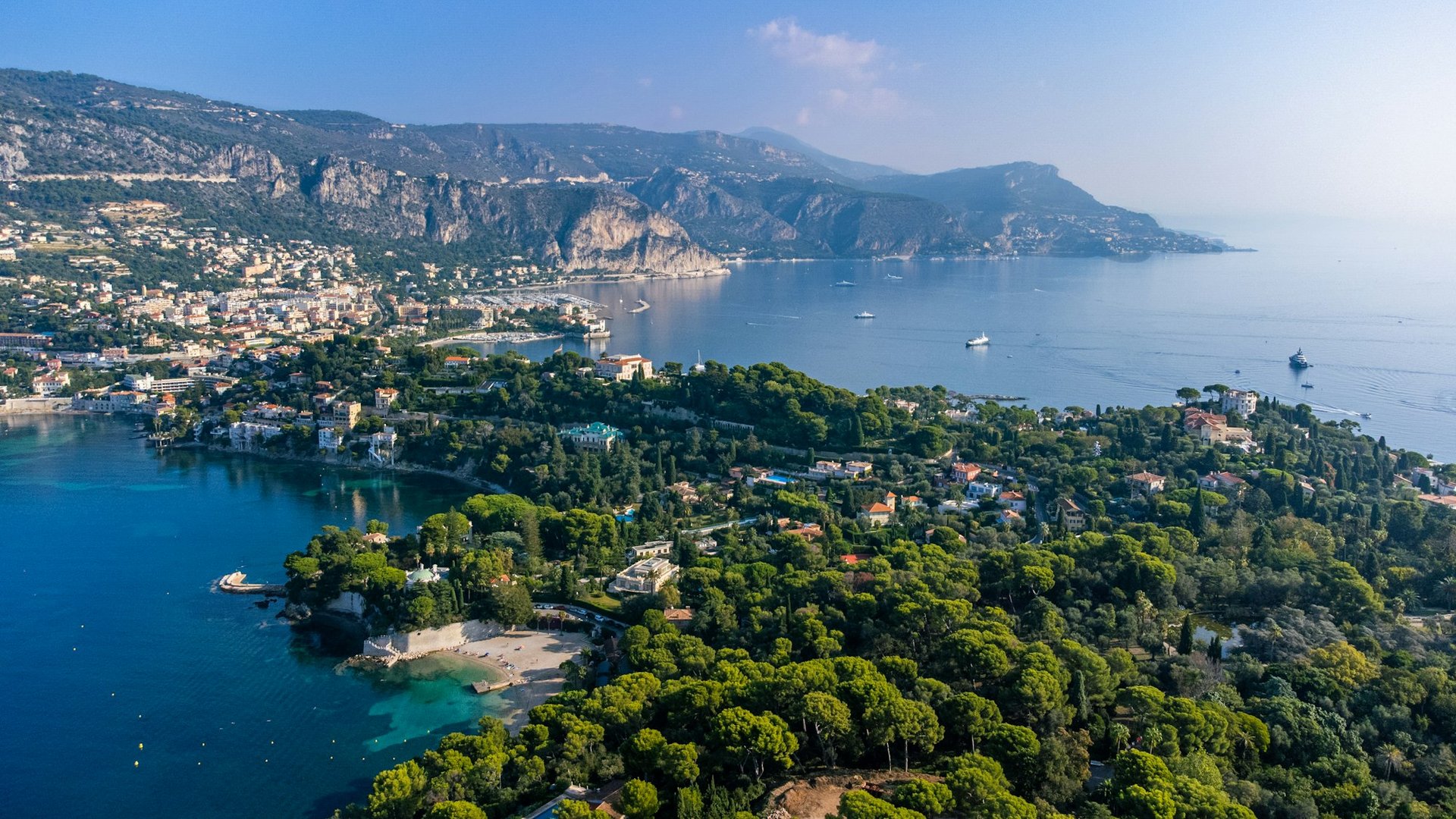
Buying on the French Riviera is both a lifestyle decision and a financial one. This is the complete picture for international buyers — how the purchase actually works, what it really costs, the 2026 rules that have reshaped the rental landscape, and how to own with confidence.
The Côte d'Azur has drawn international buyers for more than a century, and the fundamentals that make it endure are unchanged: a mild climate, year-round access through Nice Côte d'Azur Airport, and a short list of supply-constrained towns where the best homes hold their value. What stops most buyers is rarely desire — it is friction. An unfamiliar legal system, a second language, currency exposure, and a market where much of the strongest inventory never reaches the public portals. None of that is a reason to hesitate. It is a reason to arrive prepared.
This guide walks through the entire journey, from first viewing to the day the keys change hands.
Why the Riviera rewards the prepared buyer
Value on the Riviera is concentrated. A handful of towns — Cannes, Antibes, Cap-Ferrat, Èze, Cap d'Ail and the villages behind Nice — carry most of the long-term demand, and within each one the difference between a seafront street and a short walk inland is dramatic. Supply in the prime segment is structurally scarce: land is limited, planning is tight, and the best homes rarely sit on the open market for long.
That is why so much of the strongest inventory changes hands quietly. A significant share of prime Riviera transactions are off-market — matched privately between advisors before they are ever advertised. For an international buyer, access to that hidden layer of the market is often the difference between competing for what everyone can see and being shown what no one else will. (For a town-by-town view of where growth, yield and lifestyle actually sit, see our guide to where to buy on the Côte d'Azur.)
The purchase in two signatures
The whole transaction is anchored by two signatures at the notaire, usually about three months apart. The first — the compromis de vente — commits both parties. The second — the acte authentique — transfers ownership. Everything else happens in between.
| Stage | Timing | What happens |
|---|---|---|
| Prepare | Before the search | Define the brief, set an all-in budget, arrange financing in principle, and decide the ownership structure. |
| Search and offer | Depends on supply | Open-market and off-market viewings, due diligence, and a written offer. |
| Compromis de vente | First signature | A deposit of 5–10% is held by the notaire; the buyer's 10-day cooling-off period begins. |
| Conditions period | About three months | Notaire searches, any pre-emption rights, and the mortgage offer (a 10-day reflection period applies before a loan offer can be accepted). |
| Acte authentique | Second signature | Funds are sent to the notaire, the deed is signed, and the keys are handed over the same day. |
The notaire is a neutral public officer who guarantees the legal validity of the sale and protects both sides. As the buyer you can appoint your own notaire at no extra cost — using two notaires, yours and the seller's, costs no more, as they share the same regulated fee.
What it costs
Budget for more than the headline price. The costs most buyers call "notaire fees" are mostly government tax, not the notaire's own remuneration — and they are paid in cash at completion, on top of the price, where most mortgages do not cover them. On a high-value purchase that can be a six-figure sum, so model it from day one. (For the full breakdown and a worked calculation, see understanding notaire fees in France.)
| Cost | What to expect |
|---|---|
| Acquisition costs — resale (ancien) | Roughly 7–8% on top of the price. |
| Acquisition costs — new-build (VEFA) | Materially lower, around 2–3%. |
| Transfer tax (DMTO) — Alpes-Maritimes | About 5.81%. The Alpes-Maritimes held the historic 4.50% departmental rate, while many départements raised theirs to 5.00% from April 2025. |
| Agency fee | Often already included in the advertised price (shown as "FAI"). |
The gap between resale and new-build is almost entirely tax: a new or off-plan property already carries VAT in its price, so it escapes the heavy transfer taxes. Most prime Riviera stock is existing property, so plan around the 7–8% figure.
The 2026 rules that matter
If you intend to let the property when you are not using it, the landscape has tightened. The headline points under France's 2024 Loi Le Meur:
| What changed | What it means for you |
|---|---|
| National registration | Furnished tourist rentals need a registration number — deadline 20 May 2026. |
| Change-of-use in "tense" zones | Short-letting a second home in areas such as Nice often requires authorisation. |
| Co-ownership vote | Buildings can ban tourist lets by a two-thirds vote (upheld at the highest level in March 2026) — check the rules before you buy. |
| Non-resident social charges | 17.2% on rental income, reduced to 7.5% for EU, EEA and UK residents. |
The practical lesson is to confirm the letting position for a specific building — its co-ownership rules and its commune's change-of-use regime — before you sign, not afterward.
Financing as a non-resident
Non-resident mortgages are available, typically up to around 70–80% of value for well-qualified buyers, though terms depend on the lender, the profile and the property. Two points matter for international buyers in particular. First, currency: if your wealth is held outside the euro, the EUR exchange rate at completion can move the real cost of the purchase meaningfully, and it is worth planning the timing deliberately. Second, timing: French law imposes a mandatory 10-day reflection period before you can formally accept a loan offer, which is built into the three-month conditions window above. Our financing guidance helps structure both.
Owning through the right structure
How you hold the property — in your own name, jointly, or through a company such as an SCI — affects tax, succession and how easily the asset can be passed on or shared between family members. French succession rules can apply differently from those in your home country, and the right structure depends on your circumstances and objectives. The key is that this is decided before the compromis is signed, not discovered afterward. Ownership structuring is part of what a good advisory partner sets up at the outset.
Frequently asked questions
Can international buyers freely purchase property in France?
Yes. France places no restrictions on foreign ownership of real estate — non-residents and non-EU buyers purchase on the same legal footing as French nationals, through the same notarial process.
How long does the whole process take?
From an accepted offer to completion is typically two to three months — a little longer where a mortgage is involved, and potentially shorter for a straightforward cash purchase.
How much deposit do I need at the compromis?
A deposit of 5–10% of the price is paid into the notaire's escrow account when the compromis de vente is signed. It is credited toward the purchase at completion.
Are the acquisition costs covered by my mortgage?
Usually not. These costs are paid in cash at completion, on top of the price, and most mortgages do not cover them. On prime purchases that can be a six-figure sum — budget for it from the outset.
Do I need a French bank account?
A French account makes completion and ongoing costs simpler and is often required by lenders. It is not legally mandatory to buy, but it is strongly advisable in practice.
Can I still rent the property out?
In most cases yes, but the 2024 Loi Le Meur tightened the rules for furnished tourist lets — registration, change-of-use authorisation in tense zones, and co-ownership restrictions can all apply. Confirm the position for a specific building before you commit.
Buying with confidence
The French system is built around legal certainty — the real challenge is navigating it in a second language and knowing what to check before you sign. That is where an experienced advisory partner earns its place: sourcing the right opportunity, including off-market, getting the ownership structure right from the outset, and removing the friction at every stage. Explore how we help across sales, acquisition, financing and ownership structuring.
General information only, not legal or tax advice. French regulations vary by commune and département and change frequently; confirm the current position for a specific property with qualified professionals before committing.
Looking to buy, sell or invest on the French Riviera? Fracct Homes offers a free, no-obligation consultation — message us for tailored opportunities.
✉️ contact@fraccthomes.com · 📞 +33 4 85 69 47 09 · 🌐 fraccthomes.com
Your Property, Our Commitment.